

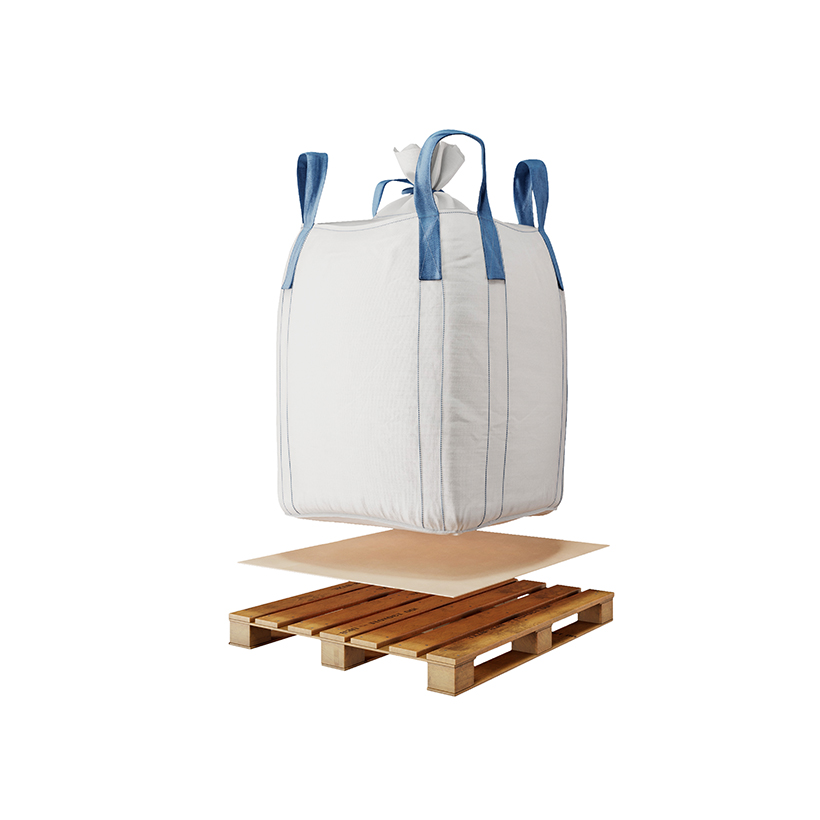
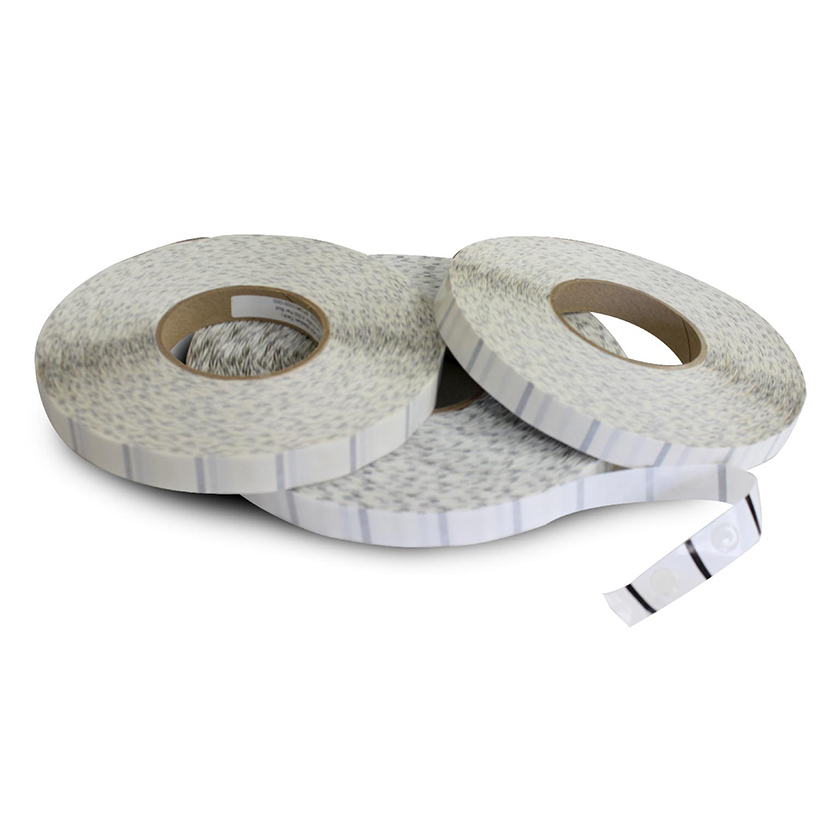


Improving pallet stability is essential for any business that manages shipping, warehousing, or distribution. One of the most effective tools for this is the grip sheet, a simple yet powerful accessory that increases friction between layers of products. By incorporating a grip sheet into your palletizing process, you can reduce the risk of product shifting, lower transport damage, and significantly optimize storage space. Whether you work in logistics, food distribution, or retail, understanding how to use a grip sheet correctly can transform your operations.
A grip sheet enhances stacking efficiency by preventing products from slipping during movement or vibration. This means fewer damaged goods, more stable loads, and reduced reliance on excessive stretch film. Using a grip sheet is a simple upgrade that delivers immediate benefits across your supply chain. Below, we explore how to maximize the advantages of a grip sheet and integrate it seamlessly into your workflow.
Why Using a Grip Sheet Improves Pallet Stability
Using a grip sheet offers several advantages that directly contribute to better stacking efficiency and improved load security. Here are a few key benefits:
- A grip sheet increases friction between layers, preventing sliding.
- A grip sheet reduces the amount of stretch film needed.
- A grip sheet stabilizes loads during transport and warehouse handling.
- A grip sheet works with various types of packaging: cardboard, plastic, shrink-wrapped goods, and more.
These points highlight why the grip sheet is a simple but highly effective investment for any warehouse or shipping operation.
How to Properly Integrate a Grip Sheet Into Your Palletizing Process
To get the most out of a grip sheet, it is important to use it consistently and correctly. A grip sheet should be placed between each layer of products on a pallet. This creates a friction-enhancing barrier that helps each layer grip securely to the next.
Here is a table summarizing the best practices for using a grip sheet on pallets:
| Step | Best Practice | Why It Matters |
| 1 | Place a grip sheet on the pallet base | Creates a stable foundation |
| 2 | Add a grip sheet between each product layer | Increases friction and prevents slipping |
| 3 | Use a grip sheet with the correct thickness | Ensures optimal strength for load weight |
| 4 | Combine a grip sheet with minimal stretch film | Reduces packaging cost while maintaining stability |
| 5 | Choose moisture-resistant grip sheet options for cold storage | Maintains performance in humid environments |
By applying these practices, businesses can reduce damage, save costs, and increase efficiency.
Choosing the Right Grip Sheet for Your Operations
Not all products require the same type of grip sheet. Depending on weight, packaging material, and storage conditions, you may need a lighter or more heavy-duty grip sheet. Heavier loads often require a reinforced grip sheet, while fragile items may benefit from a thinner yet high-friction option. For cold or humid environments, a moisture-resistant grip sheet ensures that stability is maintained even when condensation appears during transport.
Another important factor is reusability. Some companies choose a reusable grip sheet to lower long-term costs and reduce environmental impact. Others prefer a disposable grip sheet for convenience when handling food or pharmaceutical products. Whatever your needs, selecting the right grip sheet can significantly improve stacking efficiency on pallets.
Why a Grip Sheet Is Essential for Modern Warehousing
Integrating a grip sheet into your pallet-stacking process is one of the most cost-effective and impactful ways to improve load stability. With a grip sheet, you minimize movement, secure products, and reduce damage during handling and transport. Whether your business ships locally or globally, a grip sheet provides consistent performance that enhances overall efficiency.
By using the correct grip sheet, placing it properly between layers, and choosing the right thickness and material, you can elevate your palletizing process to a new level of safety and productivity.
